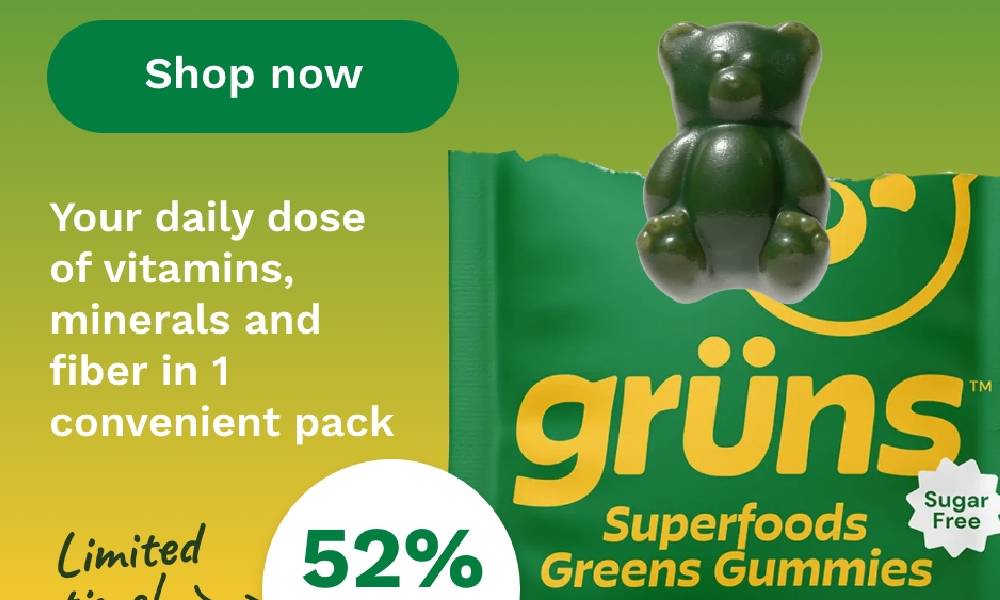
Gummies, capsules and powders often look alike on the shelf, and the front of the bottle is mostly marketing. The real information is on the back. Here is how to read a supplement label quickly, section by section.
1. Start with the serving size
At the top of the Supplement Facts panel you will find the serving size and the number of servings per container. Every amount listed below refers to one serving, which might be two or three gummies rather than one. Use this to work out how long a bottle really lasts and what it costs per day.
2. Check the amounts and % Daily Value
Each vitamin and mineral is listed with an amount and a percentage of the Daily Value (%DV), which shows how much one serving contributes to a typical day's needs. A %DV far above 100 percent is not automatically better. Some nutrients, such as vitamin A, vitamin D and iron, have upper limits, and it is easy to go over them if you take several products.
3. Watch for proprietary blends
If you see a "proprietary blend" or "superfood blend" with one total weight, the label is not telling you how much of each ingredient it contains. That makes it hard to compare products or know whether an ingredient is present in a meaningful amount.
4. Read the other ingredients
Below the panel you will find the other ingredients, such as sweeteners, gelatin or pectin, colors and flavors. Gummies often contain a few grams of added sugar per serving, and sugar-free versions may use sugar alcohols. This section is also where to look for allergens and for gelatin if you avoid animal products.
5. Understand the claims
Phrases such as "supports immune health" are called structure or function claims. When a label uses one, it must carry a note saying the statement has not been evaluated by the Food and Drug Administration and that the product is not intended to diagnose, treat, cure or prevent any disease. Treat these claims as marketing, not proof.
6. Look for an independent seal
The FDA does not test supplements before they are sold. Seals from independent programs such as USP or NSF mean a lab has verified that the product contains what the label says, in the stated amounts, without harmful levels of certain contaminants.
7. Check the dates and storage
Look for a best-by date and storage instructions. Heat and humidity can weaken some vitamins and make gummies stick together.
Before you buy
If you take medication, are pregnant or breastfeeding, have a health condition, or are buying for a child, ask your doctor or pharmacist first. And remember that supplements work best alongside a varied diet, not in place of one.
This article is general information, not medical advice.